Tag: lapsang souchong

Taylor’s Lapsang Souchong Tea

A disappointment

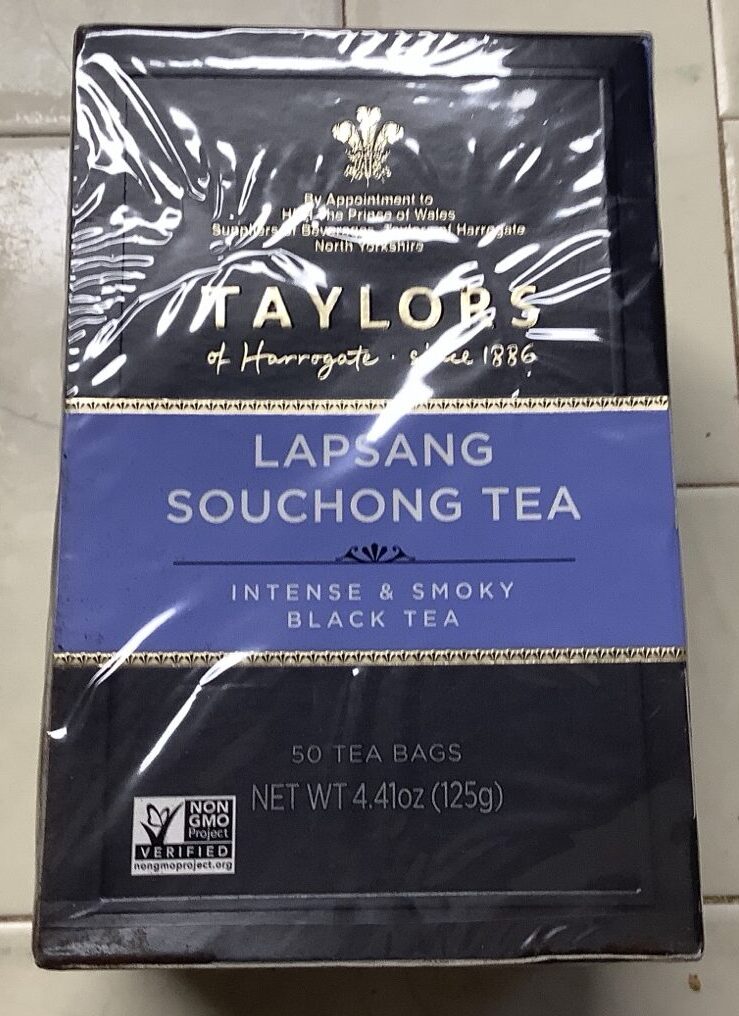
Last week, I wrote about my discovery of Twinning’s Lapsang Souchong tea and my sorrow at learning that it’s no longer being made. I looked to see if other brands might still carry it, given that some seems to still be produced. I found that Taylor’s also had a lapsang souchong tea available at big retailers in America for about $7-9 for a 50 tea bag box. I had to give it a try.

I’m sad to say that I was quite disappointed. The tea tastes just like another indistinctive black tea. It has a hint of smokiness, but only if you try very hard to taste it. Otherwise, it’s just generic.

This doesn’t mean it’s bad, I’ll happily drink the rest, but it’s just not at all special.

I also doubt that it’s actually lapsang souchong. According to the box the tea comes from “the mountains of China,” but there is no mention of the Wuyi Mountains in particular, where lapsang souchong must be grown to be considered such. “Smoke” is listed as an ingredient, but there is no explanation of where this “smoke” comes from.
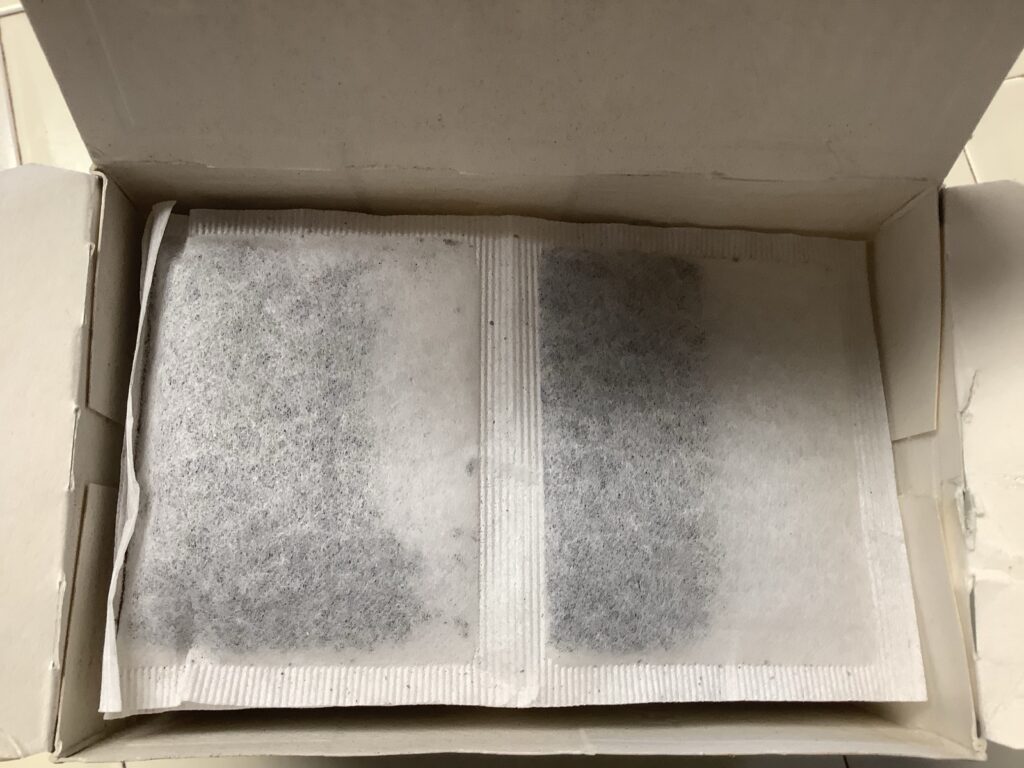
I hope to find another lapsang souchong that I can afford at some point, but meanwhile, I have a lot of tea bags to get through.

Taylor’s is a private company based in Harrogate in North Yorkshire, England,

Other tea reviews
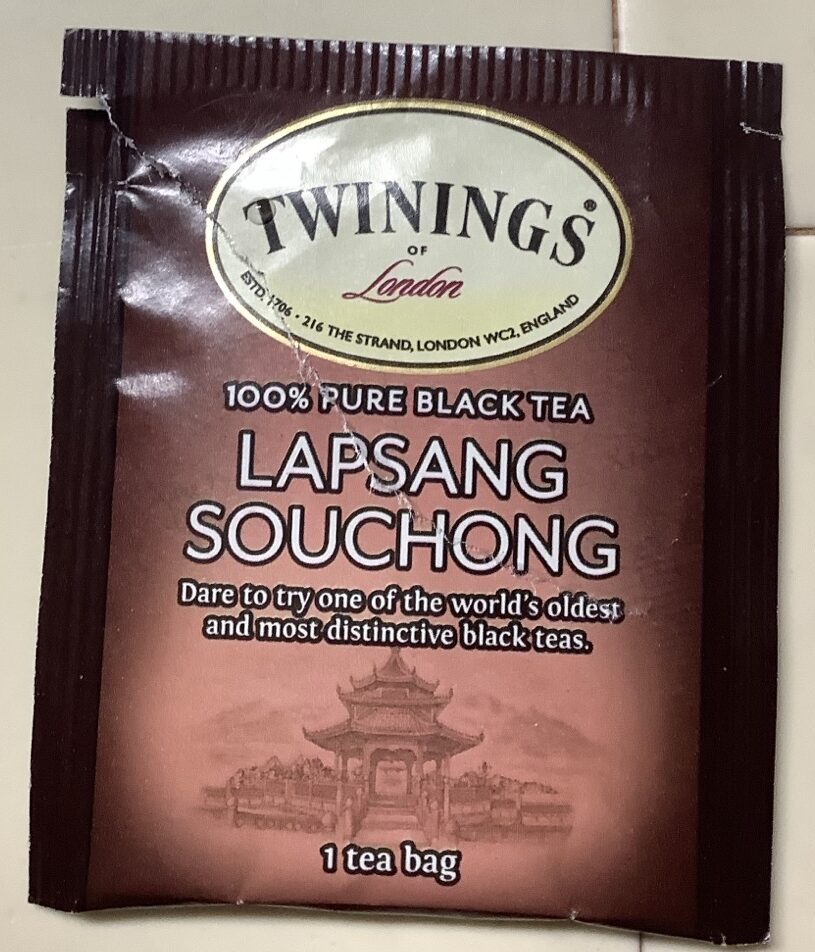
Twinings Lapsang Souchong Tea Review

Unknown to me, this was to be a unique experience

I haven’t been felling much like tea lately, but yesterday I suddenly got a craving for some. I didn’t want a run of the mill tea, however, and I needed something that could stand up to cream, as my milk was rather iffy. My usual English breakfast tea handles milk a lot better.

I found this Lapsang Souchong tea bag among the bunch and the description seemed to fit my mood. I loved it! It has an enchanting smoky flavor that merged great with the sweetened cream and gave a little boost in the afternoon. I’d definitely buy it again – if I could.

As it happens, Twinings stopped producing Lapsang Souchong back in 2023. This particular variety of tea leaves is only grown around the Chinese village of Tongmu in the Wuyi Mountains. The leaves are smoked over a Chinese red pine wood from the surrounding forests, known for containing a resin called longifolene, which gives the tea its characteristic smoky flavor. Alas, both tea and wood are in the verge of extinction.

Tea farmers in the Wuyi mountains have found that growing other varieties of tea leaves more popular with wealthy Chinese consumers is a more profitable endeavor and have have mostly switched to these. Meanwhile, the pine forests around Tongmu have been devastated by outbreaks of two separate diseases, making the wood unavailable for smokers. Both factors combined raised the wholesale price of lapsang souchong from $24 to $120 a kilo, making it unsustainable for Twinings and other tea companies. Twinings tried to make a copycat version of lapsang souchong but with different tea leaves and wood, which it called Distinctively Smokey, but it largely panned by customers and seems to be no longer available.

Other tea reviews

© 2026 Marga's Food Blog

Theme by Anders Noren — Up ↑