Imperial Russia describes a two-hundred year period from Peter the Great's territorial conquests in the early XVIII century to the Russian revolution in 1917. At its height, the Russia empire covered a third of the landmass in the globe. It was, however, mostly an agricultural society, with a primitive class system based on serfdom, which was only abolished towards the end of the period.
Peasant fare was based on hearty dishes, often soups and stews, taking advantage of root vegetables, mushrooms and sometimes offal. Rye bread and fermented foods were popular. As the Russian empire look westward, however, the tables and kitchens of the Russian elites became influenced by French and German techniques and ingredients.
For my quick sojourn into Imperial Russian cuisine, I made:
Befstroganov
Classic Beef Strogranoff
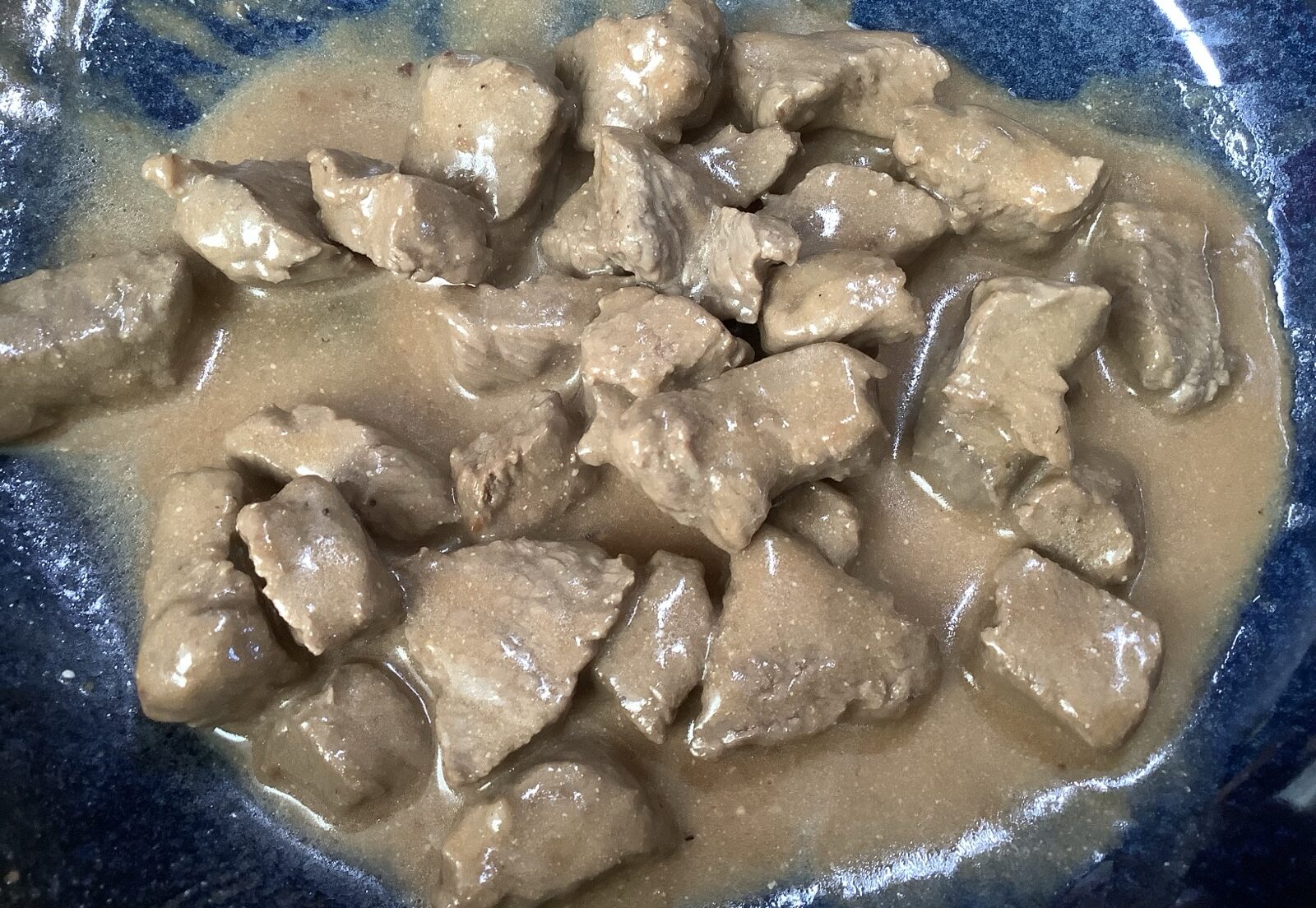
As with many classic dishes, the origins of beef Stroganoff are much debated. It is named after the Russian Stroganov family, and seems to be derived from older Russian recipes. The first published recipe comes from 1871, and it's the one I followed. Unlike newer recipes, beef is cubed, rather than sliced, and is much simpler than newer versions. It's supposed to be made with tenderloin, but as I can't afford such luxuries, I used top loin instead. The texture wasn't as soft as I wished, but it was tender and very tasty. The recipe will only feed two people, however.
PRINT PDF
Classic Beef Strogranoff
Ingredients
- 1 1/2 lbs tenderloin or top sirloin, cut into 1/2" cubes
- salt to taste
- ground allspice to taste
- 3 Tbsp unsalted butter
- 1 Tbsp flour
- 1 1/2 cups beef stock
- 1 1/2 tsp Sarepska or Dijon mustard
- dash of ground black pepper
- 2 Tbsp sour cream
Directions
Sprinkle beef with salt and ground allspice to taste, and let rest, uncovered, for 2 hours.
Heat 3 Tbsp of butter in a saute pan over medium-high heat. Add the beef and brown on all sides. Remove and set aside, keeping the pan in the heat.
Add the flour to the pan and brown, stirring as necessary. Stir in the stock and deglace. Stir in the mustard and pepper. Bring to a simmer and cook until reduced by half. Whisk in the sour cream. Return beef to the pot and cook for a couple of minutes, until the beef is cooked through.
|
Adapted from Elena Molokhovets' 1871 recipe in Podarok molodym khozyaykam (A Gift to Young Housewives) as posted in Tasting History
Related cuisines I've cooked so far: Belarusian, Estonian, Gagauz, Latvian, Lithuanian, Moldovan
Historical cuisines I've cooked so far:
American Colonial, Ancient Persian, Anglo-Saxon, Ante BellumClassical Greek, Cowboy, East German, Elizabethan, Georgian England, Imperial China, Italian Renaissance, Medieval English
Do you have a comment on this recipe? Please make it here